

Home Design Article
House Plan Licensing Helps Keep Plan Use Clear And Documented
A house plan purchase should clearly define how the plan can be used, how many times it can be built, and what records are tied to that use.
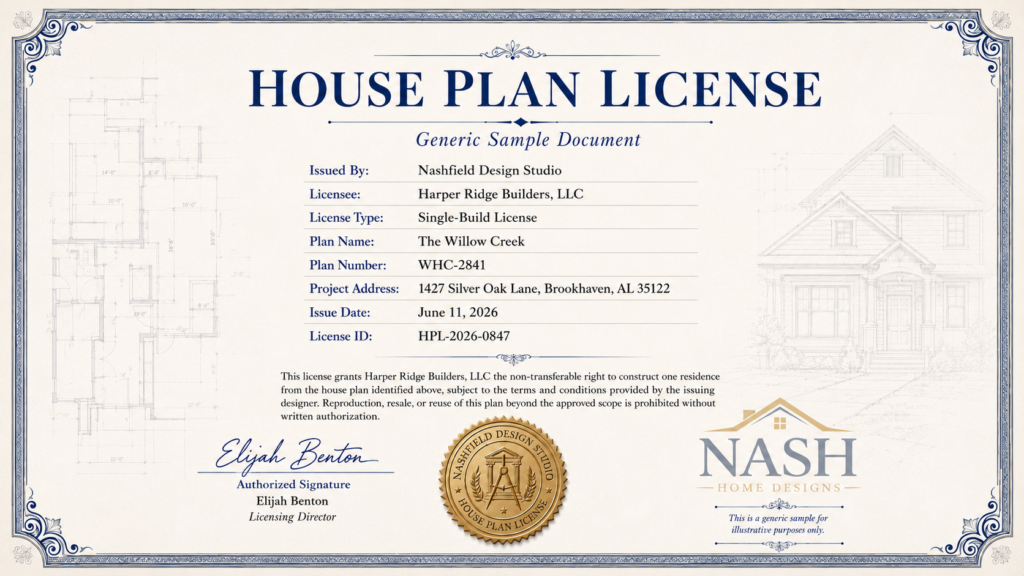
A house plan purchase should clearly define how the plan can be used, how many times it can be built, and what records are tied to that use.
House Plan Licensing Helps Keep Plan Use Clear And Documented
When someone purchases a house plan, they are not just buying a set of drawings. They are also receiving permission to use that design in a specific way. That is why house plan licensing is important. A clear license helps define how the plan can be used, how many times it can be built, and what records are tied to that use.
Without clear licensing, confusion can happen quickly. A homeowner may think the plan can be reused later. A builder may assume the plan can be used for multiple projects. A developer may want to apply the same design across several lots. Each of those situations may require a different type of license. Clear documentation helps everyone understand the boundaries before construction begins.
A good house plan license should explain whether the plan is for a single build, multiple builds, or a larger development use. It should also identify the purchaser, the project, the plan name or plan number, and any special permissions that apply. This creates a record that can be referenced later if questions come up during pricing, permitting, construction, or future use.
Licensing also protects the design work itself. A house plan represents many hours of planning, drafting, coordination, and design knowledge. Just like other creative work, it should be used according to the terms that were agreed upon at the time of purchase. A clear license helps protect both the designer and the customer by removing uncertainty.
For builders and developers, licensing can also make the process more professional. When plan use is documented, it is easier to track which plans are approved for which lots, how many times a plan has been built, and whether a modified version needs a separate record. This helps keep projects organized and reduces the chance of accidental misuse.
For homeowners, a license provides peace of mind. It helps them understand exactly what they are allowed to do with the plan they purchased. It also helps clarify whether they can make modifications, share files with a builder, or use the plan again in the future.
House plan licensing does not have to be complicated, but it should be clear. The goal is to make sure everyone involved understands the permitted use of the drawings from the beginning. When plan use is properly documented, the design process becomes more organized, more professional, and easier to manage from purchase through construction.
Why This Matters
Home design decisions are easier to manage when the plan, builder, and homeowner expectations are moving in the same direction. A little planning before construction can prevent confusion later.
Design Points To Review
- Know whether a plan is licensed for one build or multiple builds.
- Keep the license record connected to the correct customer account.
- Register build locations when the license requires it.
Builder And Homeowner Coordination
Builders and developers benefit from clear licensing because repeat use, subdivision use, and customer-specific builds can be tracked properly.
NASH Design Note
Clear license records protect the designer, builder, and customer by keeping plan use documented.
If you are reviewing plans now, you can browse NASH house plans, request plan modifications, or send a written project question.